

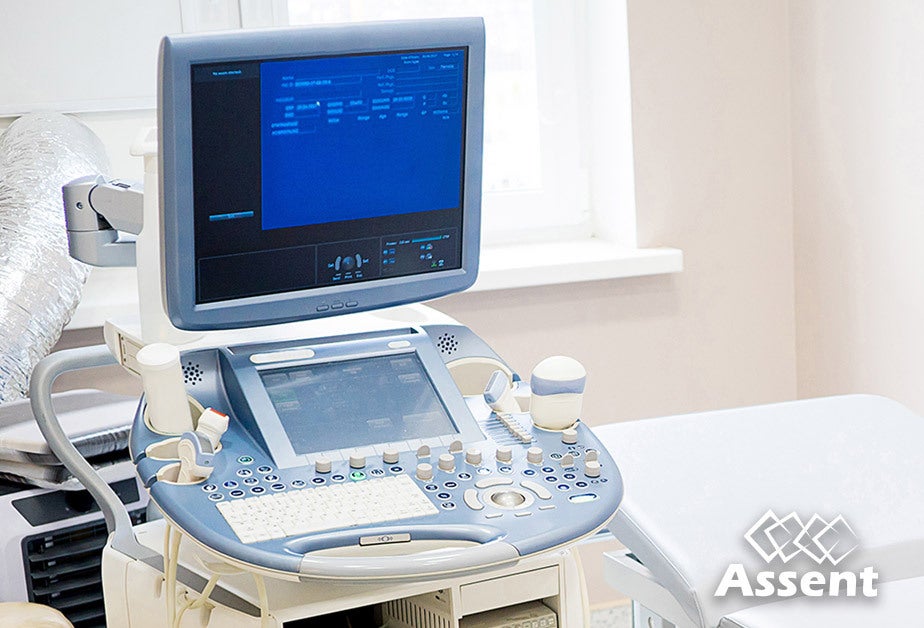
Due to their impact on human life, medical devices are highly regulated. Not only that, but the list of products in scope of medical device regulations continues to expand as we better understand how certain substances affect the human body.
Each region has its own regulations with different rules and requirements for medical devices, and as COVID-19 has spread across the world, demand for products under the medical device umbrella has grown, bringing many companies in scope of such regulations. In order to protect their market access and bottom line, it is important these companies understand their requirements under new and existing regulations.
Medical Device Regulations in the U.S.
Medical device regulations in the U.S. fall under the authority of the U.S. Food and Drug Administration (FDA). The FDA regulates food, drugs, biologics, cosmetics, veterinary medicine, and tobacco, while the Center for Devices and Radiological Health (CDRH), a branch of the FDA, is responsible for regulating medical devices and radiation-emitting products. The FDA has authority over device regulation through the 1976 Medical Device Amendments to Federal Food, Drug, and Cosmetic Act (FFDCA), which has been updated and amended many times in the years since, including the FDA Reauthorization Act of 2017 (FDARA).
The FDA has three medical device classifications with reporting requirements that become increasingly stringent. Class III devices are the most highly regulated due to their potential to cause illness or injury, and require premarket approval. Both importers into the U.S. and manufacturers within the U.S. have specific labelling requirements, as well as requirements to report to the FDA that are mandated under the Medical Device Reporting (MDR) regulation in the event of product incidents or problems. Non-compliance can lead to product recalls, which can not only cost millions of dollars, but affect brand reputation and incite private litigation.
Learn more about new regulatory requirements for medical devices in our ebook, Understanding the European Union Medical Device Regulation.
Medical Device Regulation in Europe
On May 26, 2021, the European Union (EU) Medical Device Regulation (MDR) and In-Vitro Medical Device Regulation (IVDR) will replace the EU Medical Devices Directive (MDD), establishing a regulatory framework that safeguards public health and safety while supporting competitiveness in the medical device market. The new regulations cover devices and parts of devices that are: invasive and come into contact with the body; that administer or re-administer medicines, bodily fluids or other substances; and devices used to transport or store any such liquid. The EU MDR also brings products used for aesthetic purposes into scope.
The EU MDR and IVDR will expand requirements for product approvals beginning in 2021, and will place additional restrictions on substances used in the design and manufacture of medical devices in order to reduce possible risk to consumers. These regulations restrict the use of certain substances known to be carcinogenic, mutagenic, or toxic to reproduction above a specified threshold, as well as certain substances known to have endocrine-disrupting properties.
In-scope products containing restricted substances will be required to carry appropriate labels and precautionary instructions if children or pregnant women may be at risk of exposure. Non-compliance with the EU MDR or IVDR can lead to product recalls, fines, and loss of EU market access.
Promoting Global Due Diligence
Companies that produce or distribute medical devices are heavily regulated, with additional requirements continuing to come into force. The EU MDR, EU IVDR, and UK Medicines and Medical Devices Bill (2019-21) are just a few of the regulations that will be changing the regulatory landscape for medical devices in the years to come. Companies must ensure they are meeting compliance requirements as the landscape evolves.
Assent helps medical device companies collect and manage their supply chain data in order to maintain market access, protect brand reputation, and mitigate the risk of fines or recalls. To learn more about how Assent can help, contact our experts.

This information is provided for educational purposes only and does not constitute legal or regulatory advice. The information is current as of the date of publication or send. Your organization remains responsible for confirming compliance obligations.