
Forced labor is no longer a conversation topic on the backburner of corporate boardroom agendas. Companies with trade compliance risk in their supply chains must prioritize human rights due diligence now to avoid facing increasing enforcement and criminal liability.
What Changed?
The U.S. Department of Justice (DOJ) recently launched a cross-agency Trade Fraud Task Force, sending an important signal that regulators and the government are treating trade fraud, including forced labor violations and tariff evasion, as a matter of national and economic security.
For importers with complex global supply chains, this creates additional pressure to not only understand but demonstrate transparency. To avoid enforcement action, they must show where their materials come from, where compliance risks are most likely to exist in their supply chain, and how they would mitigate that risk. Lack of supply chain visibility is no longer a defensible position. If companies are challenged on tariff evasion or forced labor exposure, regulators will expect evidence, not assumptions.
The Enforcement Weight Gets Heavier
Enforcement actions are becoming more coordinated, robust, and aggressive. Now is the critical time for visibility, due diligence, and mature responsible sourcing programs.
More Cross-Functional Muscle to Enforce
The Trade Fraud Task Force’s combined authority and renewed effort to strengthen investigations into trade-related crimes means it will more aggressively pursue companies that knowingly evade duties or misrepresent imports. For example, under enforcement mechanisms like the False Claims Act, importers can face civil liability for knowingly underpaying duties or submitting false information to the government, with significant financial penalties and exposure to whistleblower actions.
Defensible Responses & Mitigation Are Non-Negotiable
Another key enforcement update is that red flags identified in the supply chain will need a formal, defensible response. The Task Force is expected to focus not only on whether companies can identify warning signs, but on whether they can mitigate the risk accordingly. Indicators of forced labor, tariff evasion, sourcing irregularities, negative audit findings, detention notices, and whistleblower reports are all examples of risks companies should be prepared to voluntarily disclose. Companies will need to be comfortable demonstrating this level of transparency when responding to government inquiries.
Leaders Will Be Individually Accountable
Trade compliance violations are no longer being treated as routine administrative failures or technical paperwork mistakes. Enforcement is focusing more on criminal exposure and whistleblower activity, and this is expected to ramp up individual executive accountability. For leadership teams, this means trade compliance must be treated as a business-wide risk area with real financial, operational, and reputational consequences. The companies best positioned to succeed in this environment will be the ones that connect supply chain due diligence with governance, escalation, and cross-functional accountability.
Data Will Do the Talking
Data-driven enforcement will expose weak programs faster and resolve infractions without a lengthy litigation period. Regulators are likely to use trade data analytics to identify anomalies and generate leads. Companies should assume that inconsistencies in their sourcing, import activity, and supplier information will be easier to detect if they don’t have a robust data management system in place. Weak documentation, data gaps, and fragmented systems will become liabilities faster than ever before.
What Should Your Business Do Now?
For importers, the question is no longer whether deeper due diligence is necessary. It is whether their current program can stand up to what regulators expect now and in the future.
Companies should strengthen their approach by:
- Building deeper Tier 2 traceability for high-risk inputs
- Establishing a documented risk assessment methodology
- Creating detention-response playbooks so teams can act quickly and consistently
- Putting formal escalation governance in place, including legal review of red flags
- Conducting import entry accuracy audits to identify gaps before regulators do
- Developing a voluntary disclosure framework for issues that require escalation
- Integrating forced labor risk into broader enterprise fraud and whistleblower programs
The DOJ Trade Fraud Task Force marks a clear escalation in expectations for enforcement and program preparedness. Companies that want to maintain market access, reduce disruption, and protect their business need to put scalable trade compliance programs in place to keep up with the complexity of modern supply chains.
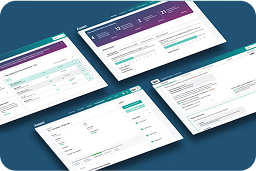
The Assent Sustainability Platform and our vast network of part, product, and supplier data is critical to preparing your business for what’s next. Contact us to learn more.

This information is provided for educational purposes only and does not constitute legal or regulatory advice. The information is current as of the date of publication or send. Your organization remains responsible for confirming compliance obligations.