



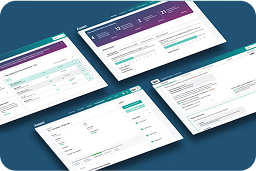
Still Exploring?
Looks like you’ve been exploring our platform.
Want to see everything in one place?
Automate customs compliance with accurate trade classification, country of origin validation, and tariff management. Protect your ability to ship goods across borders with consistent, audit-ready trade data.
Knowing the country of origin of your parts and materials is critical to managing customs compliance and tariffs. Without defensible evidence, you risk seizure of goods at border crossings, supply chain disruptions, lost market access, and fines. Collecting trade data from your global supply chain is complicated, but Assent’s trade compliance software gives you a complete platform to manage and report on country of origin, Harmonized System (HS) codes, and more.
See for yourself how Assent streamlines due diligence for country of origin, HS codes, and tariff data.

Send out automated supplier surveys to collect trade compliance data, including country of origin, HS/Harmonized Tariff Schedule (HTS) codes, and free trade agreement certificates.
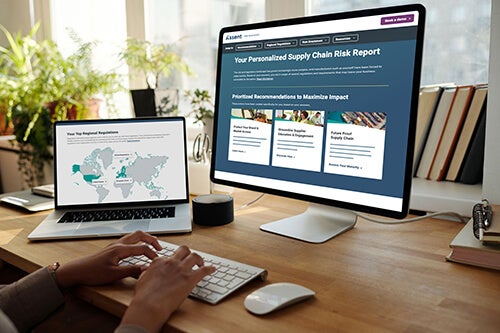

Assent gives you visibility into the tariffs and other trade considerations that apply to your goods, helping you make smarter decisions that affect your profits.


Rapidly create trade compliance documents to ensure your goods don’t get turned away or detained at border crossings with Assent’s centralized trade reporting platform.
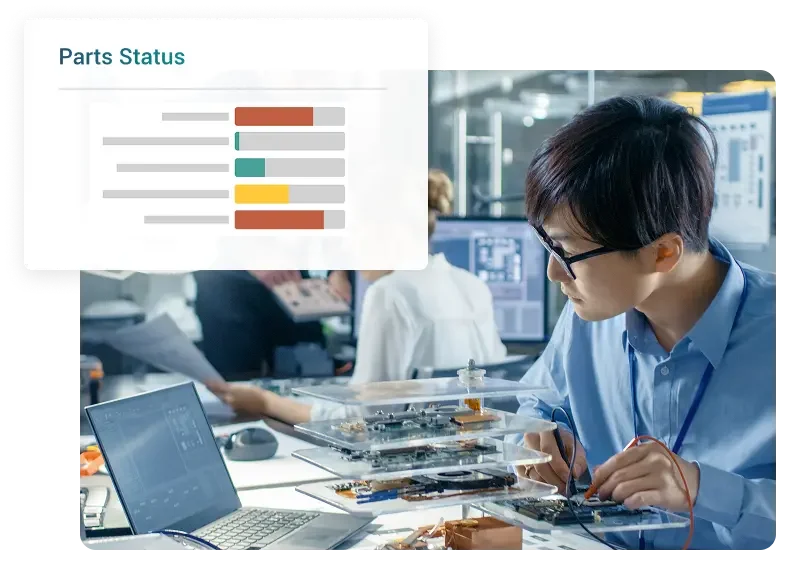
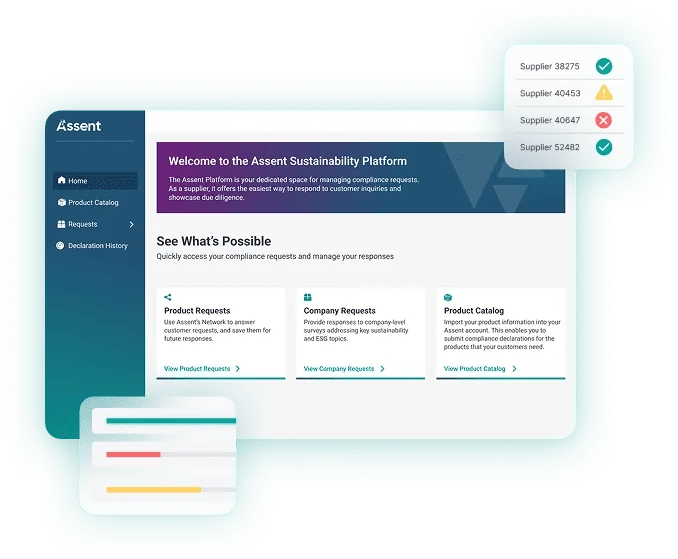
Keep Section 232 aluminum, steel, and copper tariff costs low by collecting defensible country of smelt/cast and melt/pour declarations to pay the lowest possible duty owed.
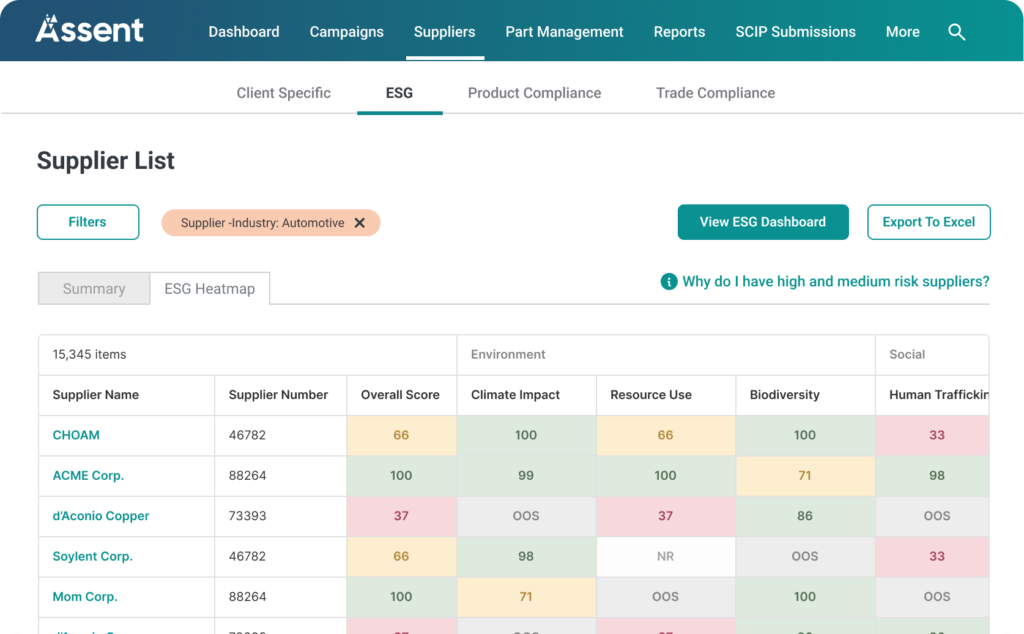
Track supplier responses and engagement. Highlight which suppliers and parts add to your risk exposure so you can act before you face supply chain disruptions.
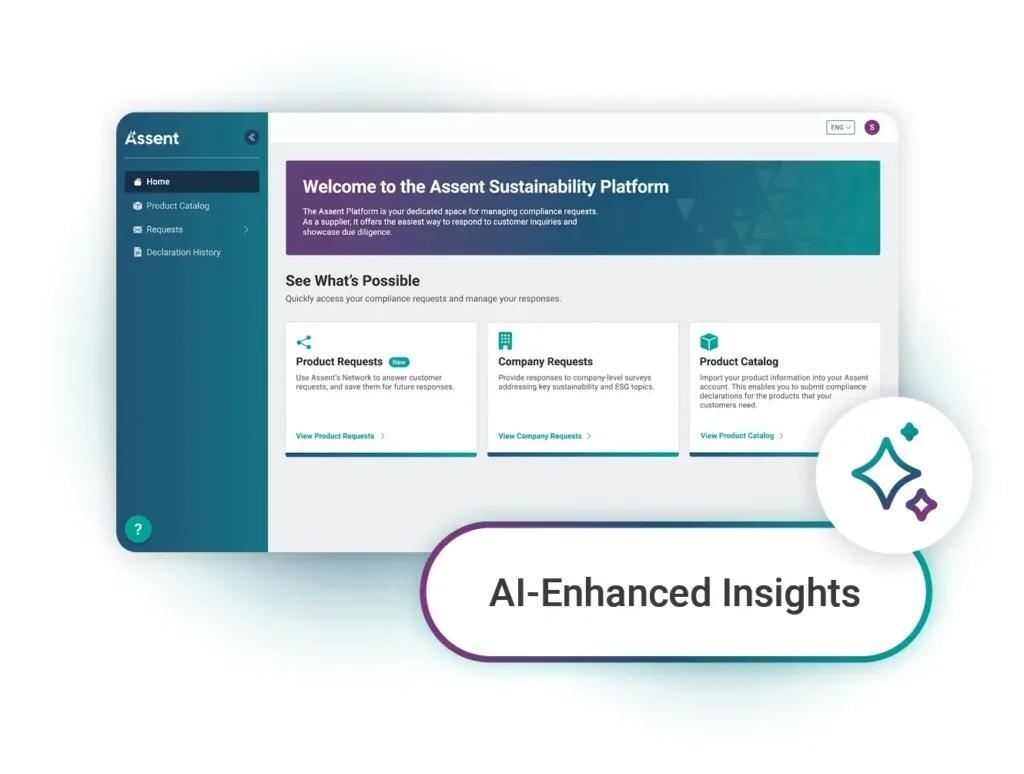
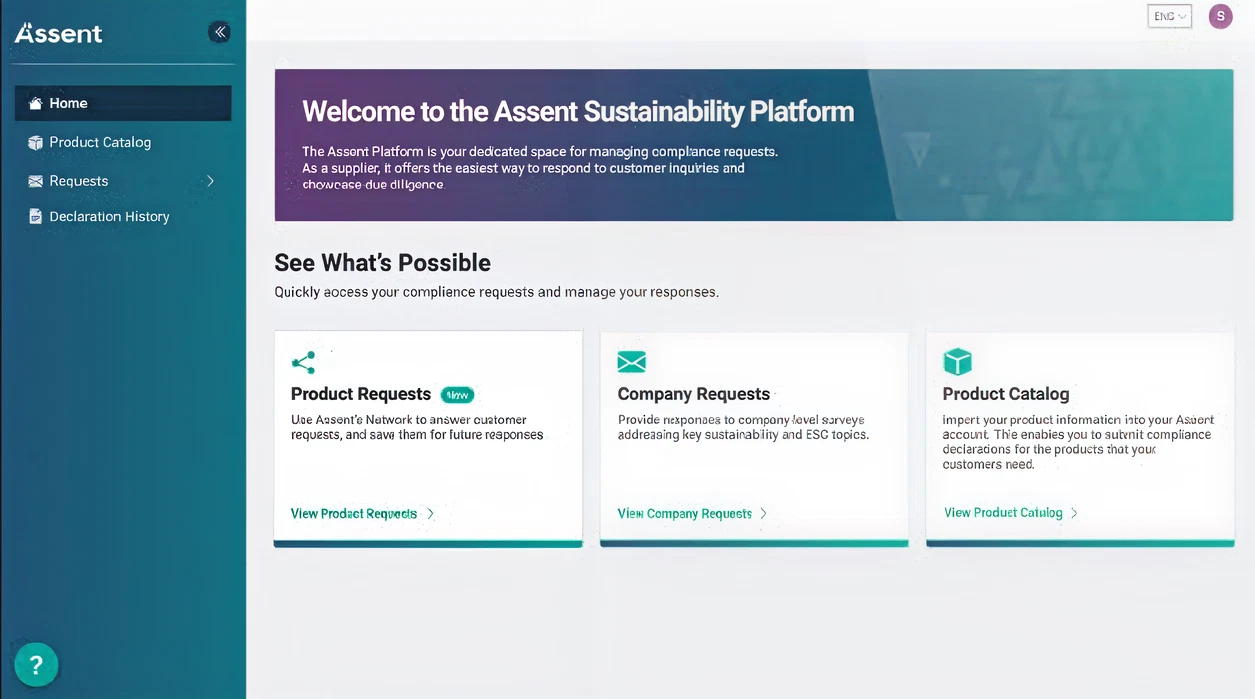
The Assent Sustainability Platform gives you a centralized place to collect, store, review, and report on part country of origin and HS codes.
Get expert insights into your global trade compliance program and customs compliance by downloading our free guide, Understanding the Global Trade Landscape. It helps you prepare for trade data requirements, like HS code classification, denied party screening, and tariffs management.
Get the Guide
Why Assent
When global manufacturers need to move parts and products across borders, they turn to Assent to help them conduct critical supplier due diligence.
Faster data sharing between supply chain entities and smelters
Less risk exposure





Amphenol Advanced Sensors faced growing regulatory demands and a tenfold increase in customer requests that their manual processes simply couldn’t handle. By partnering with Assent, they reduced their compliance workload by 80% and centralized their data collection from over 600 global suppliers.
Download the Case Study
Get expert insights on trade compliance, customs compliance, and tariff management for global manufacturers.

The BIS 50% Rule expands export restrictions. Discover its implications for companies owned 50% or more by listed entities.
Section 232 tariffs demand accurate smelt and melt reporting. Assent’s trade compliance software helps importers prove origin and stay compliant.
What does country of origin mean? Learn how country of origin data is used for trade compliance, and about Assent supply chain risk software.
See why our AI-native supply chain sustainability management platform is the trusted choice to automate country of origin due diligence and HS code intelligence. Book a personalized demo today.

See why our AI-native supply chain sustainability management platform is the trusted choice to automate country of origin due diligence and HS code intelligence. Book a personalized demo today.


