

Digital Product Passport Readiness Starts with Accurate Data

Digital Product Passports are coming. With the EU DPP Registry expected by mid-2026 and battery passports arriving first, manufacturers must move from concept to data readiness — fast. DPP is not a reporting exercise. It’s a continuous product data management effort.


Two manufacturing professionals discussing how to stay ahead of regulatory changes.
Rising Data Demands

The Challenge Isn’t the Passport. It’s the Data Behind It.

DPP is a growing concern for manufacturers, with market-driven customer demands for reliable data rising faster than they can keep pace. For most companies, product data maturity isn’t where it needs to be to protect their business from risk.

Supplier declarations are incomplete. BOMs aren’t structured for reuse. Ownership of DPP is unclear across compliance, sustainability, engineering, and IT teams. Gaps in supplier data turn into direct regulatory and market access risks.

An image of an electric vehicle being charged.

Battery passports will set the first requirements. Others will follow.

Manufacturers who wait to meet deadlines for final delegated acts risk scrambling to retrofit disconnected systems to produce the data they need. Those who start now can strengthen current compliance operations while preparing for future expectations.

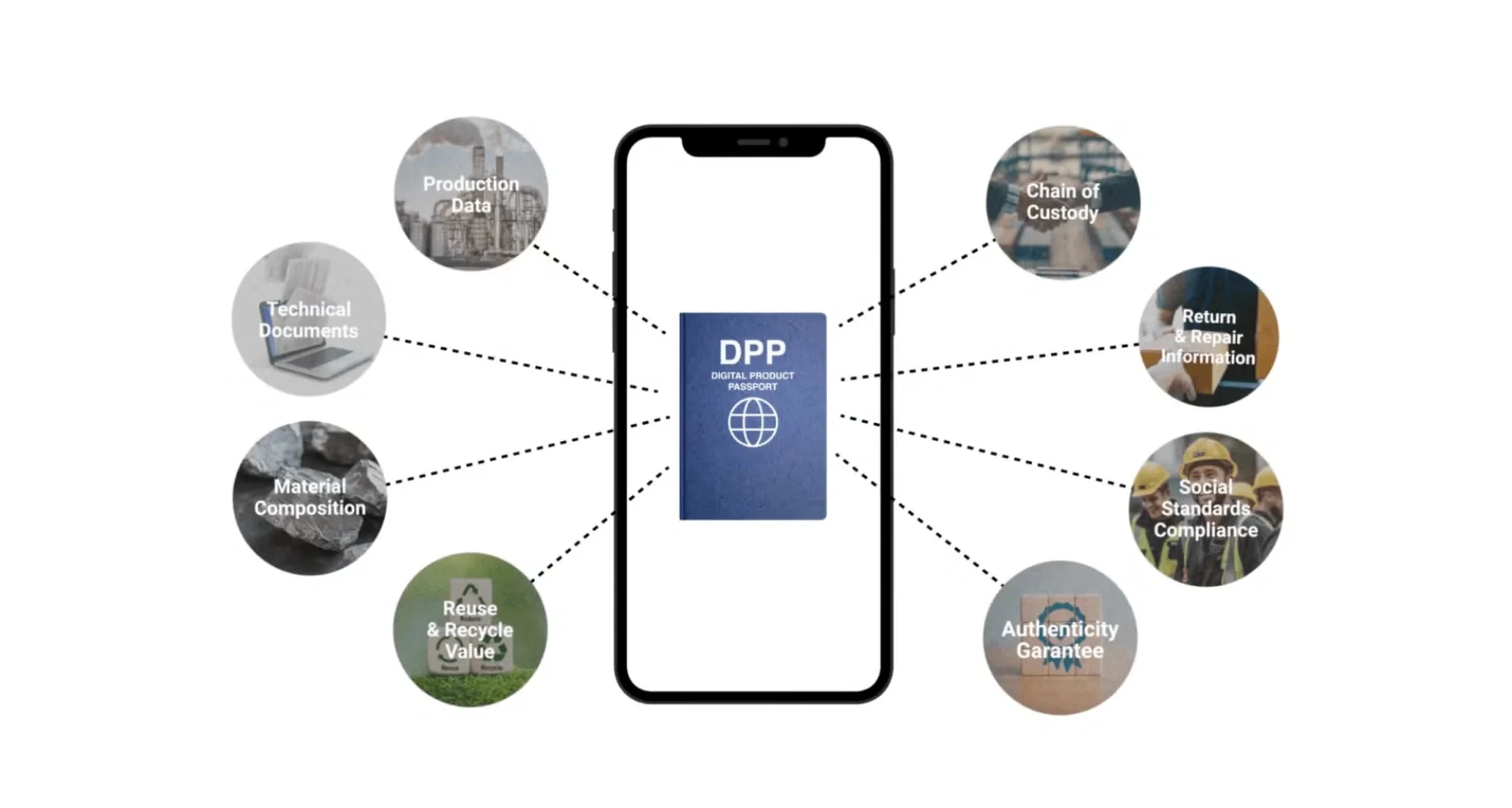
Understanding Digital Product Passports

https://www.assent.com/wp-content/uploads/2025/11/Icon-benefit-7.svg

What is Digital Product Passport Readiness?

DPPs are an output. Readiness is the capability behind them. DPP readiness means you can:
  • Collect product-level data once
  • Structure it consistently across complex BOMs
  • Validate it directly with suppliers
  • Govern it over time
  • Reuse it across multiple regulations and customer requirements
Without that foundation, DPP compliance becomes manual, reactive, and unsustainable at scale.
https://www.assent.com/wp-content/uploads/2026/03/DPP-cloud-mod.webp
https://www.assent.com/wp-content/uploads/2025/05/4-Icon-Hub.svg

The Top Barriers to Digital Product Passports

1. Data Readiness
Product data is scattered across manual systems and teams. It isn’t structured for transparency, reuse, or regulatory agility.

2. Supplier Data Collection
DPP depends on validated supplier data. Slow outreach, inconsistent formats, and low response quality create gaps that become compliance risk.

3. Organizational Ownership Is Unclear
Without cross-functional alignment between teams, data is siloed, customer demands aren’t met, and non-compliance risk increases.

https://www.assent.com/wp-content/uploads/2026/03/Streamlined-Compliance-968289374-Parts_Status_Overlay_mod.webp

Assent Helps You Get Ready

Build the Product Data Foundation for DPP

We help manufacturers build the product data foundation required to support DPPs at scale.
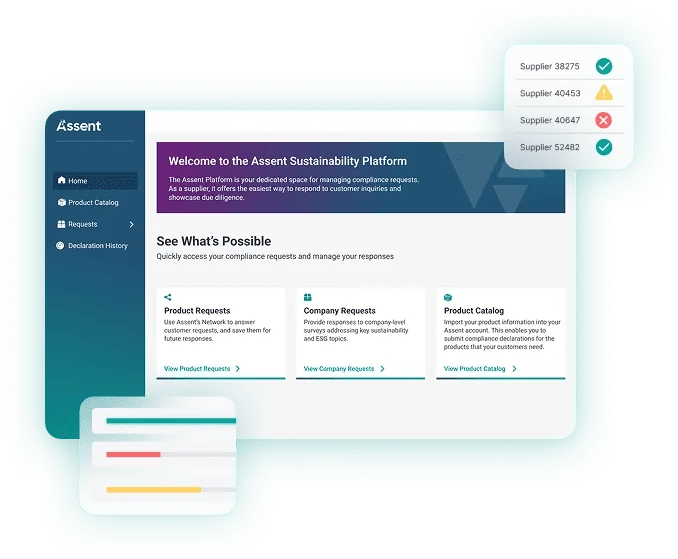
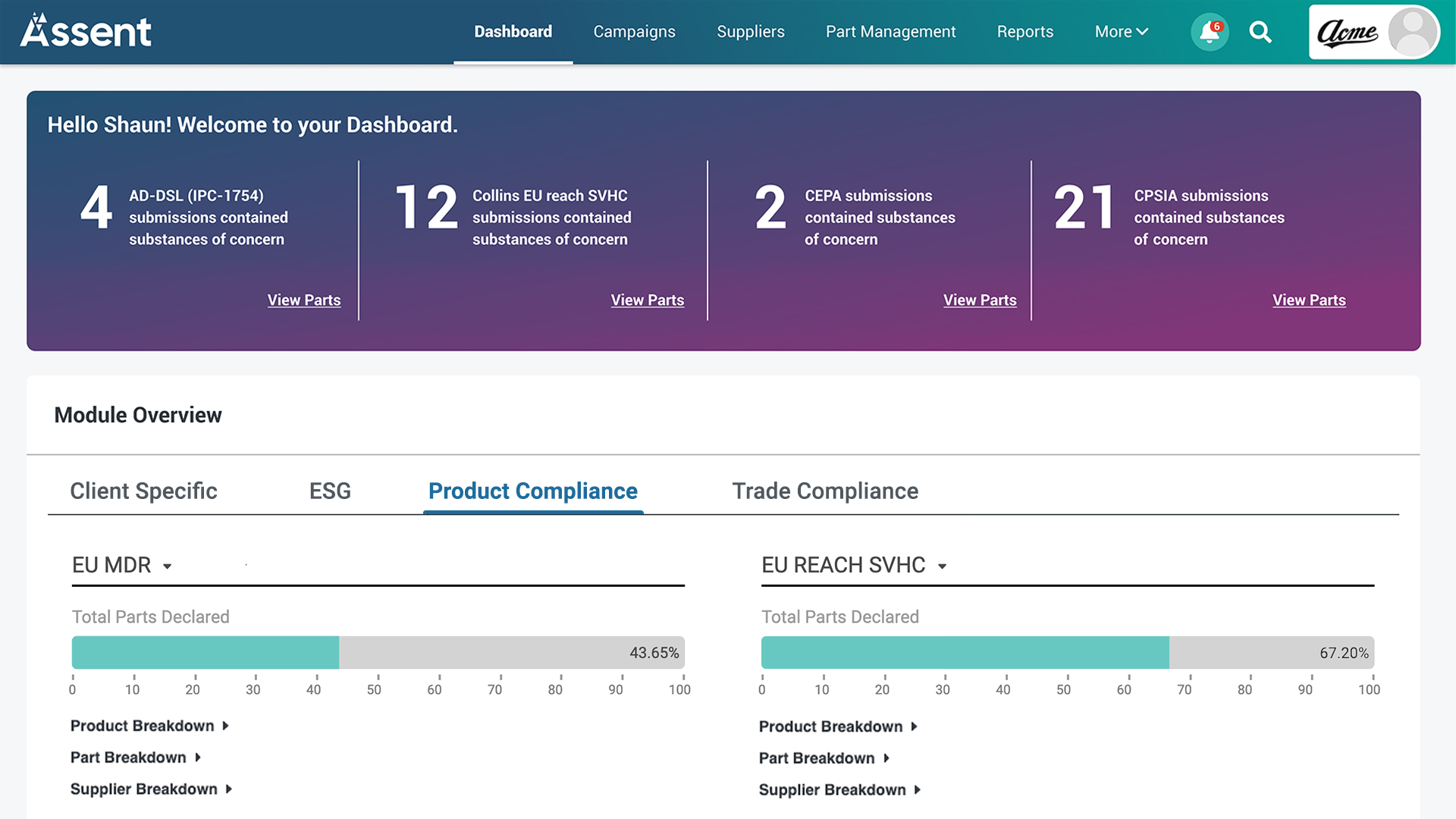
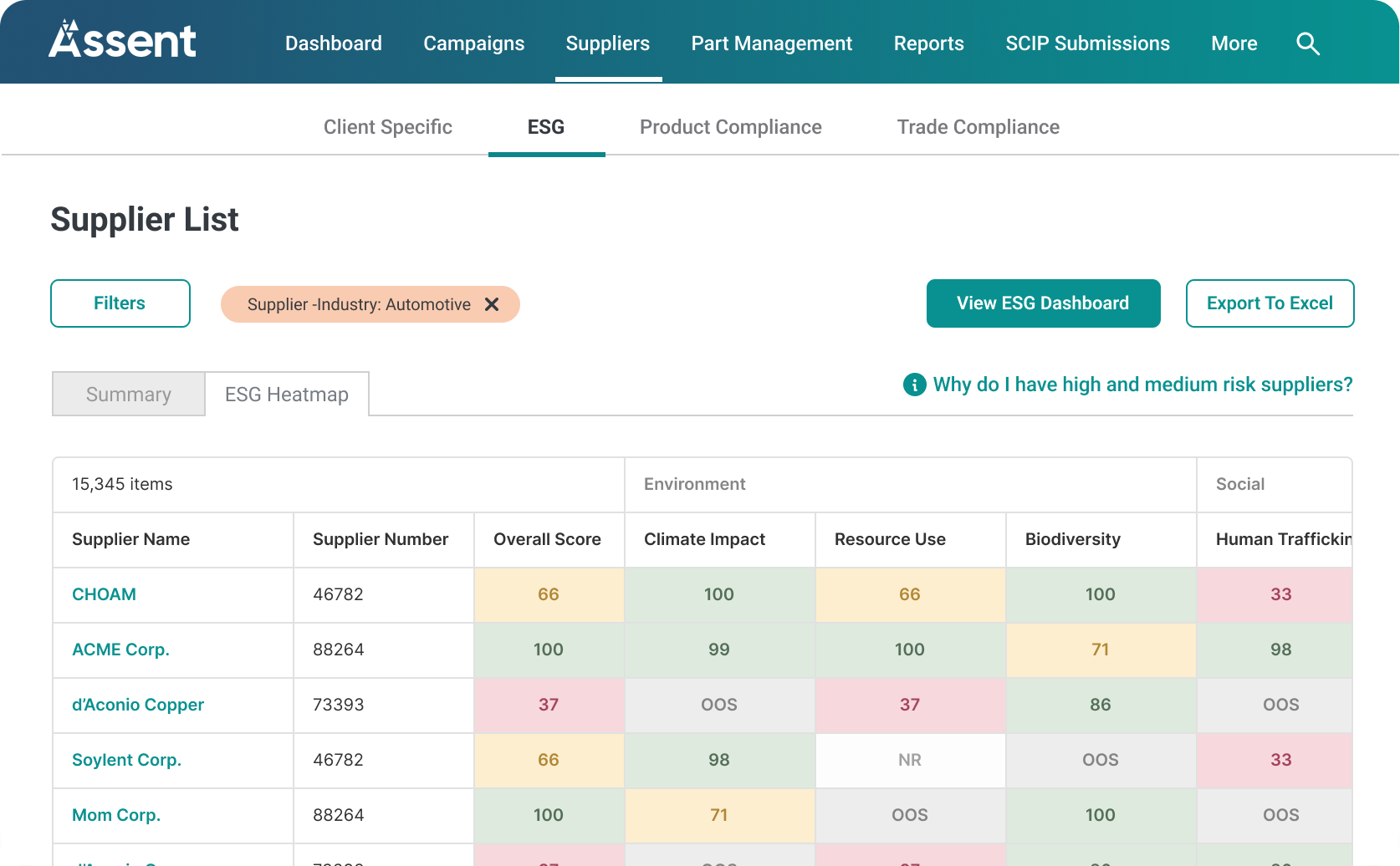
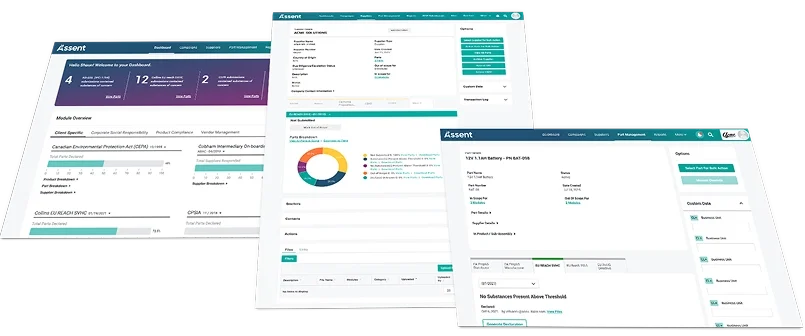
A snapshot of the Assent Sustainability Platform.
Featured Resource

The Product Sustainability Handbook

Understand your DPP requirements within the scope of the Ecodesign for Sustainable Products Regulation (ESPR) with insights from Assent’s team of regulatory experts in our guide. Download your copy today and learn best practices to keep your program ahead of evolving product sustainability requirements, including Digital Product Passports.

Download Now
Screenshot of Marcus video from Assent on DPP.

“Digital Product Passports will demand trusted, structured data.”

Marcus Schneider
Senior Regulatory Expert, Assent

FAQ: Digital Product Passports

Get answers to the most common Digital Product Passport questions from Assent’s team of regulatory experts.

What is a digital product passport?

A digital product passport (DPP) is a digital record that stores key data about a product’s materials, environmental impact, and life cycle.

It enables traceability, supports regulatory compliance, and improves repair, reuse, and recycling by making standardized product information accessible across the value chain. Under EU rules, it follows a product from design through end of life.

Is a digital product passport mandatory?

Yes, digital product passports will be mandatory for products sold in the EU under the Ecodesign for Sustainable Products Regulation (ESPR).

Companies must provide a compliant DPP before placing in-scope products on the market. Requirements will roll out by product category, meaning businesses need to prepare ahead of enforcement to avoid market access risks.

What is the digital product passport timeline?

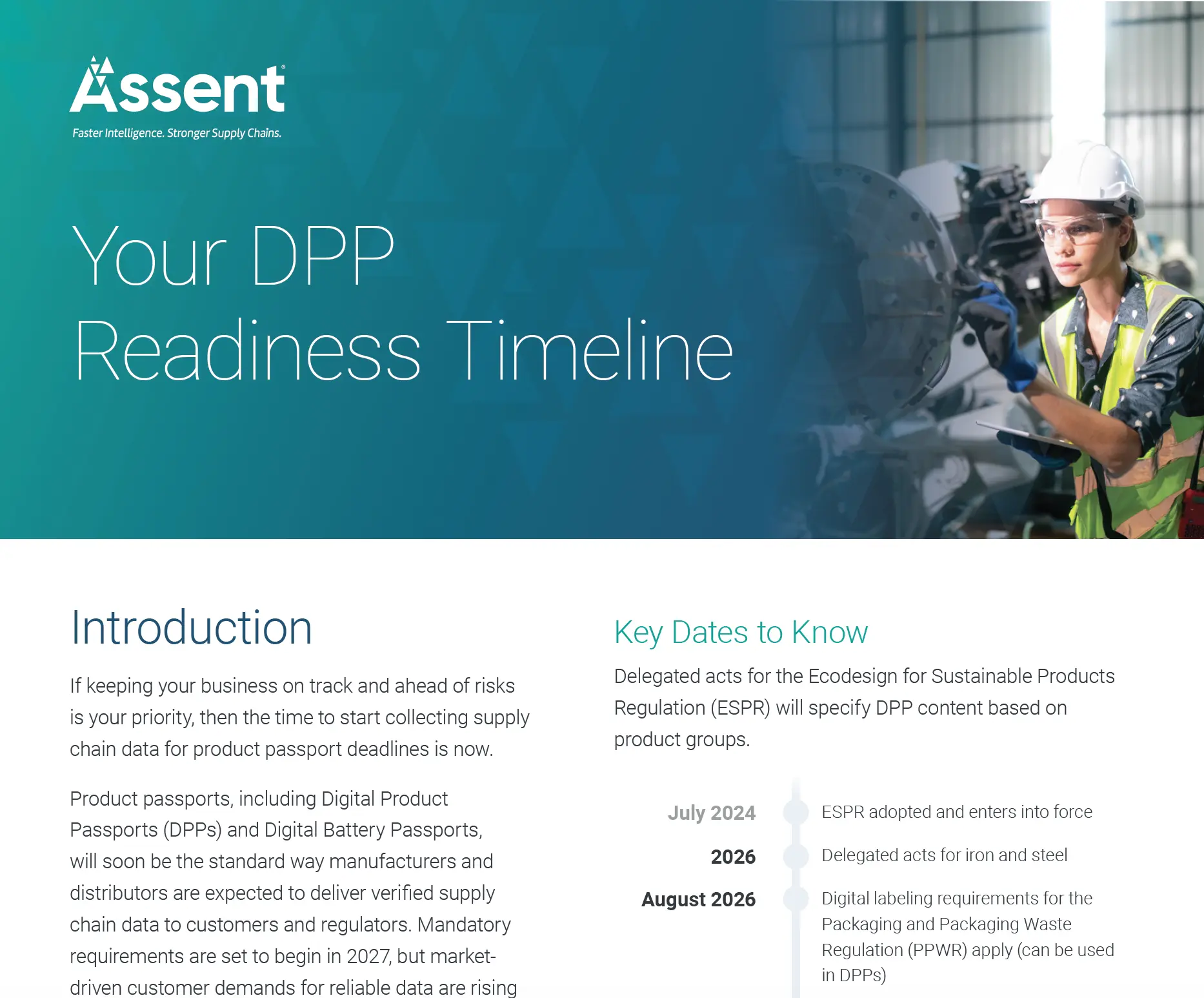
Digital product passport requirements begin rolling out between 2024 and 2027, with ongoing expansion after that.

  • 2024: ESPR enters into force
  • 2026: First product-specific rules expected
  • 2027: Initial DPP requirements take effect
  • 2027+: Expansion across additional product categories

Customer data demands will increase before formal deadlines. Download Assent’s DPP Timeline for more information

What are Digital Product Passport regulations?

Digital product passports are regulated by the EU Ecodesign for Sustainable Products Regulation (ESPR).

This framework requires companies to disclose standardized product data, such as materials, performance, and environmental impact, through DPPs. Additional rules, including the EU Batteries Regulation, introduce product-specific passport requirements tied to compliance and market access.

ESPR & DPP Readiness: Turning Regulatory Uncertainty into Action

Find out what’s coming next under ESPR and DPP, and how organizations can conduct a practical readiness assessment to identify gaps, reduce risk, and prepare for compliance.