

Corporate executives are recognizing the benefits of transparency, and digital technology is helping them take advantage.
As the world has grown more connected, modern technology has given us windows into global work environments, business landscapes and the environmental impacts of products. As a result, the conscientious nature of consumers has been activated.
Consumers are savvy about choosing products that engage their personal values, and with so many brands competing for their business, they can afford to be discerning. Therefore, customer loyalty, both in business-to-business (B2B) and business-to-consumer (B2C) relationships, is more important than ever. Providing transparency into your company’s operations is the way to build and maintain that loyalty. And the benefits of operating in this fashion stack up.
This is reflected by a recent study from the Harvard Business Review, which among other insights, found that 90 percent of executives say increased business transparency leads to better decisions across the entire organization, including supplier networks.
Effective data management can drive the transparency needed to make better decisions and optimize processes for any company that manages supplier relationships.
For more information about how supply chain transparency can help your company grow, download our guide, Digital Transformation & Transparency: An Executive Guide to Mitigating Supply Chain Risk.
Transparency & Process Efficiency
In the study, 30 percent of executives said transparency led to improved process efficiency across their organization. For companies leveraging platform technology to manage supply chain data, this can take shape in many ways.
Managing a supply chain data sendout is a labor intensive process. Data automation allows users to launch campaigns to all supplier contacts at the touch of a button, with programmable follow ups and data validation algorithms to check for incomplete or inaccurate data. If performed manually, these are budget-heavy tasks, and many companies misestimate the cost — but end up paying it later.
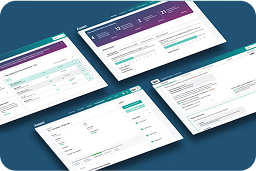
Acquiring this data through a supply chain data management platform should provide each of your business units transparency into supplier and product insights from a centralized dashboard. This allows you to build additional process efficiencies into your program by transitioning away from reactive data collection, and into proactive decision making during the design phase.
While data automation technology was initially meant to help companies meet their regulatory compliance requirements, building both assemblies and supplier relationships from a position of insight allows you to achieve compliance during the design phase. This significantly reduces the costs and risks of poor decisions resulting from reactive data management practices.
The Assent Sustainability Platform & Transparency
Effective supply chain data management helps businesses of any size acquire digital part and substance declarations from their supply chain. The Assent Sustainability Platform facilitates this by centralizing programs from one interface, making it accessible to every business unit beneath your corporate umbrella. This creates the organizational transparency you need to align risk mitigation strategies across your extended enterprise, and reap savings of scale and additional operational efficiencies.
Building transparency in your supplier networks and sub-part compositions can help you maintain an advantage over competitors, and design products that engage the needs of customers, as well as the requirements of enforcement bodies, proactively. This will enable solid business continuity as these sustainable values help profit margins soar.
For more information about how Assent can help you drive digital transformation across your supply chain, contact our experts today.

This information is provided for educational purposes only and does not constitute legal or regulatory advice. The information is current as of the date of publication or send. Your organization remains responsible for confirming compliance obligations.