

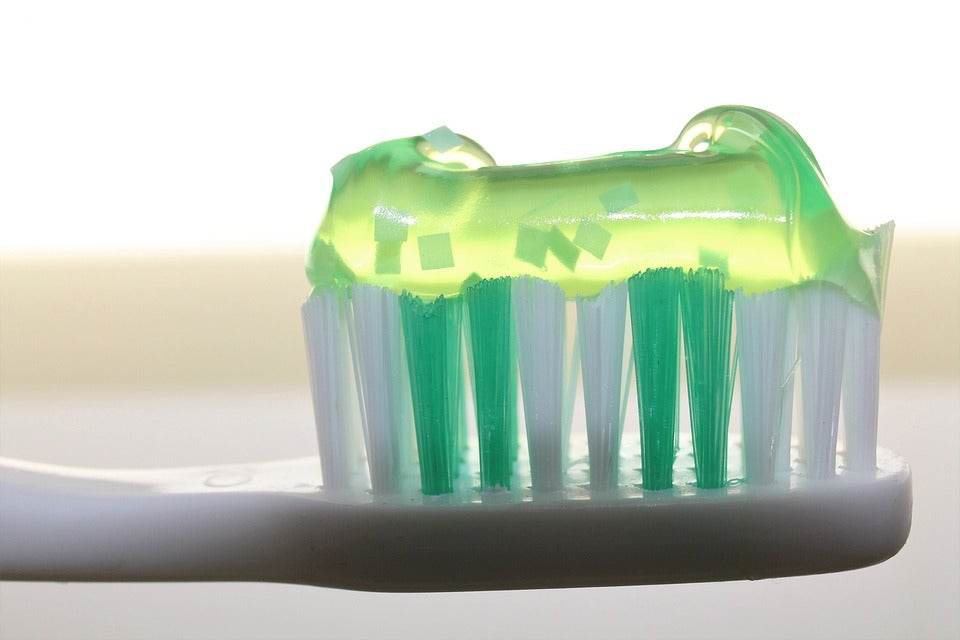
Products ranging from glitter hair gel to living room paint could be affected by a European Chemicals Agency (ECHA) investigation into the use of microplastics following a proposed ban.
After a May 2018 stakeholder workshop, the ECHA published their Note on Substance Identification and the Potential Scope of a Restriction on Uses of ‘Microplastics’, announcing the agency’s next steps for the investigation, and the proposed definition of microplastics to be considered in a proposed restriction. This followed the European Parliament’s Environment Committee calling for a ban on microplastics in cosmetics, personal care, detergents and cleaning products by 2020.
The investigation is focused on microplastics released into the environment through the use of products intentionally containing them, and is scheduled to conclude in January 2019.
The ECHA has proposed a definition of microplastics as “any polymer, or polymer-containing, solid or semi-solid particle having a size of 5 mm or less in at least one external dimension.” While microplastics are a well-known environmental hazard, particularly to marine life, concerns extend beyond that. Microplastic particles have been found in drinking water, and in species of fish and shellfish consumed by humans.
This often occurs as a result of improperly disposed of plastics, which can remain in the environment for a long period of time before degrading into smaller pieces known as microparticles, or microplastics. However, microplastics, which sometimes come in the form of microbeads, are also intentionally manufactured and added to products, such as cosmetics, detergent and paint.
Several countries, including the United States, United Kingdom and Canada, have already banned the use of microbeads in some personal care and cosmetic products, which resulted in companies either pulling products off shelves or reformulating products to exclude microbeads.
The ECHA recommendations go beyond the microbead ban to include microplastics that meet all four of the proposed criteria (substance, state, morphology and dimension), and the scope of products with intentionally-added microplastics.
The proposed criteria will also consider if microplastics are present at point of use, whether microplastics are released during the use or end-of-life disposal, and the solubility and biodegradability of products.
Products meeting the microplastic definition that are likely to be subject to restrictions include:
- Polyethylene microbeads in rinse-off cosmetic products.
- Polyethylene-based glitter in leave-on cosmetic products.
- Polymer encapsulation systems for fertilisers and plant protection products.
- Anti-caking additives in fertilizers for agricultural use.
- Microfibers or microspheres in paints for consumer use.
- Polymer-based fragrance encapsulation systems in detergents or other household products.
Products that may meet the definition and are likely to be subject to restrictions include:
- Polyacrylonitrile fibers as fillers in construction material.
- Polymer-based seed coatings.
- Synthetic polymer solutions for sealing cement used in oil wells.
- Polymers used for water and wastewater treatment.
- Articles containing super absorbent polymers for medical/consumer use.
- Use of super-absorbent polymers for agricultural use.
As the ECHA continues to assess the need for a restriction on microplastics under the Registration, Evaluation, Authorisation and Restriction of Chemicals (REACH) Regulation, companies should be aware of products that may be in scope, and where microplastics are used in those products. This will help mitigate the risk of losing future market access if restrictions on microplastics come into force. Assent’s Full Material Disclosure Software allows companies to gain a comprehensive view of all substances in their products and easily report on the presence of specific substances.
To learn more about how Assent can help you gain visibility into substances throughout your supply chain, contact our experts today.

This information is provided for educational purposes only and does not constitute legal or regulatory advice. The information is current as of the date of publication or send. Your organization remains responsible for confirming compliance obligations.