







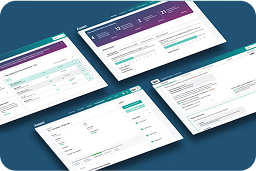
Still Exploring?
Looks like you’ve been exploring our platform.
Want to see everything in one place?
Our AI-enhanced solution identifies PFAS risk in your supply chain so you can meet PFAS reporting requirements, protect market access, avoid obsolescence, and steer clear of costly litigation.

Take an interactive demo of our PFAS solution and learn how we streamline and improve your PFAS compliance and reporting.

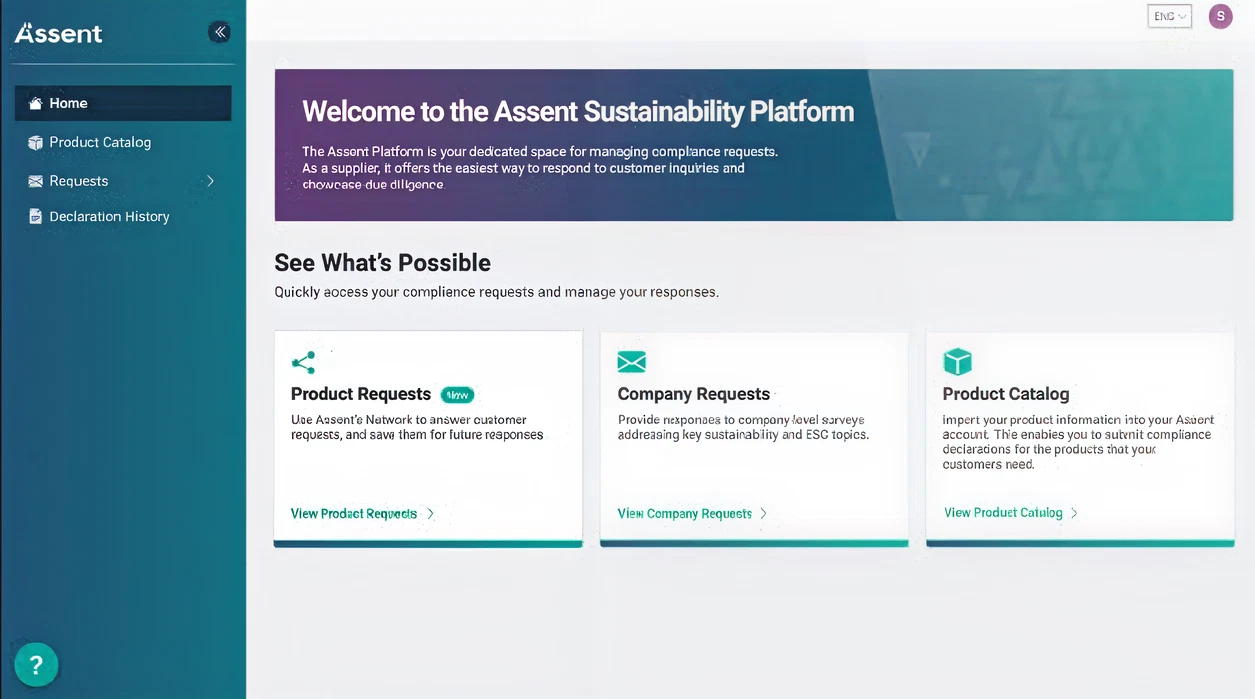
Collect, centralize, and analyze PFAS compliance declarations using the AI-powered Assent Sustainability Platform


Track PFAS in your products against all your regulatory requirements and markets, including TSCA PFAS, Canada PFAS reporting, EU PFAS regulations, and U.S. state-by-state regulations.


Engage your suppliers on their PFAS sourcing, contingency plans, and product redesigns to avoid PFAS obsolescence before it impacts your bottom line.


AI-enhanced workflows and risk alerts help you achieve compliance in a fraction of the time of manual compliance programs.

Assent has helped hundreds of companies. We’re proud to work with the following organizations.













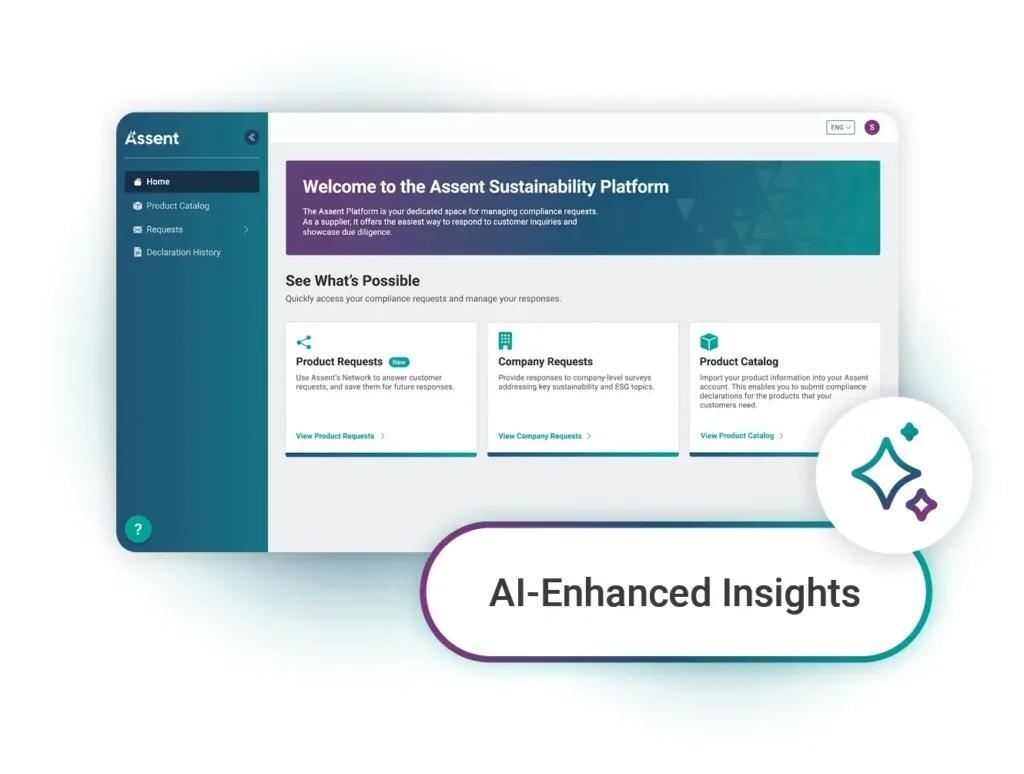
Our powerful platform solution automates and improves supply chain data sharing, proactively delivering more accurate PFAS reporting data, 5X faster than traditional compliance tools.
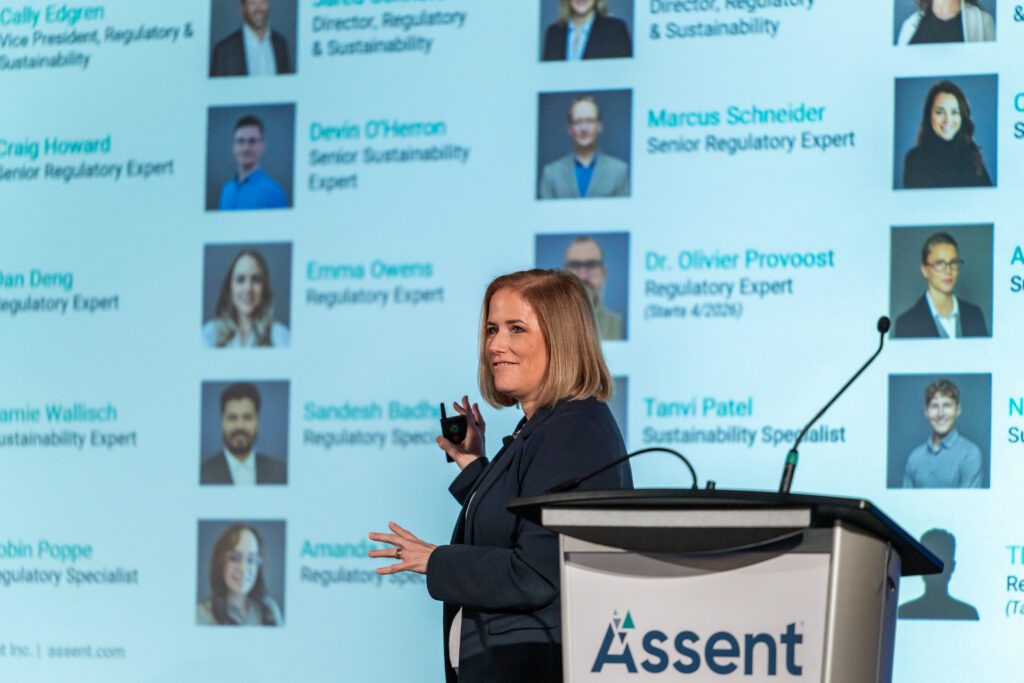
Our PFAS experts keep your program on track with PFAS requirements, bans, and deadlines as they rapidly evolve across the globe.
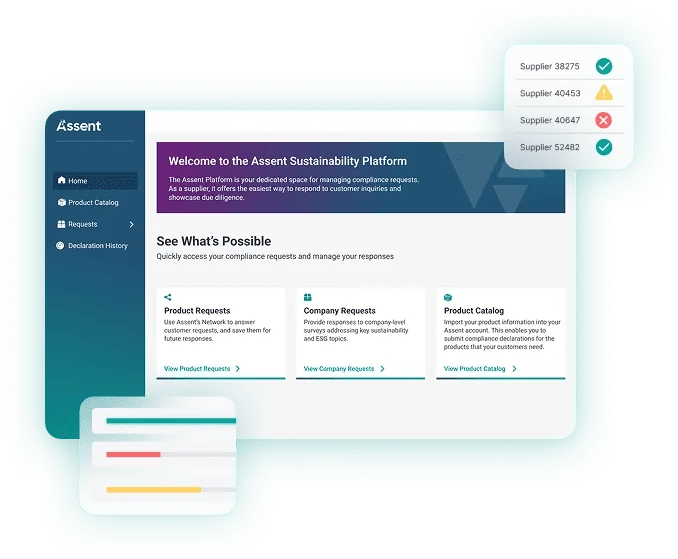
Full visibility into which parts and products contain PFAS, which fall under PFAS reporting requirements or bans, and which are facing obsolescence risk.
Get expert insights into PFAS risks hidden in your supply chain, from substance restrictions to obsolescence and legal liability. Get your copy of The PFAS Handbook for expert insights to improve your PFAS compliance program today.
Get the Guide
Why Assent
Only Assent delivers the comprehensive PFAS data and expert regulatory support that protects you from risk on multiple fronts: PFAS reporting requirements, PFAS bans, liability risks, and PFAS product obsolescence.
PFAS declarations collected
PFAS chemicals tracked





Hologic, a medical device manufacturer, creates safe, sustainable, and reliable medical technology. Identifying PFAS in its supply chain became critical as new regulations were rolled out and part obsolescence became a real risk. Hologic turned to Assent to launch a proactive PFAS compliance and risk management program that protected it from emerging risk.
Read the Case Study
Get expert insights into PFAS risks in your supply chain from Assent’s team of regulatory and product sustainability experts.

Stay ahead of 2026 product material compliance and product sustainability changes with key updates on PFAS, EPR, EUDR, and PPWR.

Join our experts for a practical look at PFAS restriction readiness and actions you can take to protect your business today.

Learn about the latest innovations from Assent, including the Request Manager solution and the Assent Sustainability Network for supply chain data.

Join our experts to explore the latest developments in New Mexico and Minnesota PFAS requirements. and learn how to navigate requirements.

New Mexico PFAS labeling requirements take effect in 2027. Learn what products are impacted and how to meet evolving PFAS compliance rules.

Discover five must-haves for supplier programs. Learn about the Assent Sustainability Platform with AI automation and human expertise.
PFAS are in essentially every global supply chain, including yours. See how Assent makes it simple to identify supply chain PFAS so you can avoid compliance, legal, and part obsolescence risks.



PFAS are in essentially every global supply chain, including yours. See how Assent makes it simple to identify supply chain PFAS so you can avoid compliance, legal, and part obsolescence risks.


