


Still Exploring?
Looks like you’ve been exploring our platform.
Want to see everything in one place?
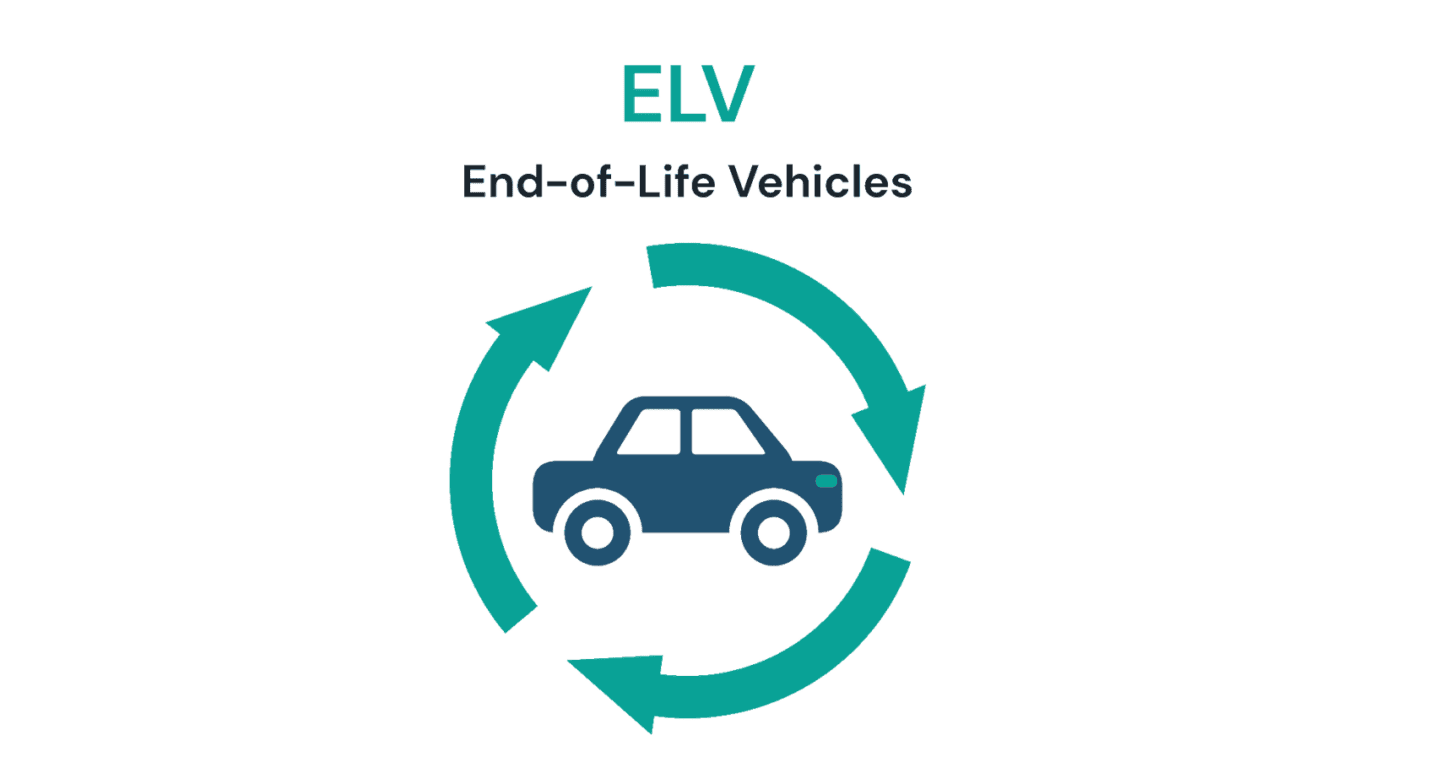
The ELV Regulation exists because vehicles have changed faster than the rules for their end of life. Cars now contain more electronics, more complex components, more plastics, and a rising share of critical raw materials. Between 10 and 12 million vehicles reach the end of their lifespan in Europe every year, but only an estimated six to seven million are reported as treated.
The original ELV Directive (2000/53/EC) built a Europe-wide system for collecting and treating end-of-life vehicles. It restricted hazardous substances such as lead, mercury, cadmium, and hexavalent chromium and set minimum targets for reuse, recycling, and recovery. The European Commission proposed replacing it in July 2023.
The Council of the European Union formally adopted the regulation on June 29, 2026. The Official Journal published it on July 24, 2026, as Regulation (EU) 2026/1738, and it entered into force on August 13, 2026.
The regulation generally applies from September 1, 2028, and replaces the ELV Directive (2000/53/EC), which remains in force until then, subject to transitional provisions. The 3R Type-Approval Directive stays applicable until its repeal on August 31, 2032, with certain provisions ending earlier.
| Aspect | ELV Directive | ELV Regulation |
| Legal form | Member States transposed it into national law | Applies directly across the EU |
| Focus | Collection and treatment of end-of-life vehicles, with targets for reuse, recycling, and recovery | Full vehicle life cycle, from design to treatment |
| Recycled plastic content | No requirement | At least 15% from September 2032, rising to 25% from September 2036 |
| Status | Applies until September 1, 2028 | Applies from September 1, 2028 |
Member States had to transpose the directive, while the regulation applies directly. This reduces fragmentation and improves legal clarity, although Member States remain responsible for monitoring and enforcement.
The new framework looks beyond what happens once a vehicle becomes waste and asks whether vehicles were designed from the start to support reuse, dismantling, recycling, and recovery.
The regulation primarily covers passenger cars (category M1) and light commercial vehicles (category N1) from September 1, 2028. Special-purpose vehicles follow from September 2029, and buses, trucks, trailers, and L-category vehicles, including motorcycles, from September 2031. Several obligations, including the recycled content targets, do not apply to all vehicle categories (Article 2).
The regulation draws a clearer line between used vehicles and end-of-life vehicles. Generally, only roadworthy used vehicles may be exported outside the EU, with exceptions such as recognized vehicles of special cultural interest. Roadworthiness requirements for exports apply from September 2031.
The ELV Regulation sets requirements for vehicles, manufacturers, and treatment systems across the full life cycle. The main requirements include:
The regulation entered into force on August 13, 2026, and phases in its requirements through 2036.
2026: Adoption and Entry Into Force
The Council adopts the regulation on June 29, 2026, and it enters into force on August 13, 2026.
2028: General Application
The regulation generally applies from September 1, 2028, replacing the ELV Directive, subject to transitional provisions.
2029: EPR, Strategies, and Treatment
Extended producer responsibility, manufacturer circularity strategies, and additional treatment requirements apply from September 1, 2029.
2030: Treatment Targets
From January 1, 2030, waste operators must achieve 85% reuse and recycling and 95% reuse and recovery.
2031: Scope Extension and Export Rules
Buses, trucks, trailers, and L-category vehicles come into scope, and roadworthiness requirements apply to used vehicle exports.
2032: Plastic Recycling Quota
From January 1, 2032, at least 30% of plastic from end-of-life vehicles must be recycled.
2032: Design Targets, Recycled Plastic, and Passport
From September 1, 2032, newly approved vehicle types must meet the 85% and 95% design targets and contain 15% recycled plastic, and the Digital Circularity Vehicle Passport applies.
2033: Steel and Aluminum Targets
Commission-set recycled-content requirements for steel and aluminum apply by August 14, 2033, at the latest, with percentages defined in delegated acts.
2036: 25% Recycled Plastic
Vehicle types approved from September 1, 2036, must contain at least 25% recycled plastic.
The regulation affects the full automotive value chain, from vehicle design to dismantling.
Original equipment manufacturers (OEMs) must design vehicles for circularity and dismantling, meet recycled content requirements, integrate compliance into type approval and product development, and improve traceability across complex global supply chains.
Manufacturers must capture and verify material data along the supply chain, so suppliers need to provide reliable material data, product and component information, and documentation that supports recyclability and compliance. These demands can be challenging for small and medium-sized enterprises (SMEs), which have fewer technical and administrative resources, so scalable material data management and interoperable systems matter.
Authorized treatment facilities and waste operators carry the treatment targets from 2030 and must remove specified parts and components for reuse, remanufacturing, refurbishment, or recycling before shredding (Article 29).
The ELV Regulation is a core part of the EU’s circular economy and sustainability agenda. The automotive industry is one of Europe’s largest users of steel, aluminum, copper, and plastics, and end-of-life vehicles are a major source of secondary materials that can return to production.
Vehicle recycling, depollution, treatment, and material reporting have been part of the regulatory landscape for years. What changes is the level of proof: companies need reliable, auditable lifecycle data to demonstrate compliance, not only to achieve targets in theory.
The main data challenges include:
Companies that invest early in data quality, product design, and circular processes can reduce compliance risk and improve environmental performance. First steps are to review current compliance and reporting processes, analyze material composition data and system availability, and assess product design for dismantling, reuse, and recovery.
Get expert insights on the ELV Regulation from Assent’s team of regulatory experts.
Explore more Assent resources on end-of-life vehicles and automotive compliance.

Learn about the International Material Data System (IMDS), including its purpose, data requirements, and PPAP connection.
What is an Environmental Product Declaration (EPD)? Learn about EPD standards, life cycle assessments, product category rules, verification, and benefits.

Understand automotive PCF and how the Catena-X PCF Rulebook and IMDS 15 standardize CO2 data across the supply chain.

