


Still Exploring?
Looks like you’ve been exploring our platform.
Want to see everything in one place?
Protect EU market access under the EU Batteries Regulation (EUBR). Assent’s EUBR software gives you clear, defensible supply chain data for responsible sourcing and battery material compliance.
The EU Batteries Regulation 2023 introduces extensive materials restrictions and new requirements for the responsible sourcing of critical minerals for all batteries placed on the EU market. If you can’t meet your reporting requirements, you face blocked EU market access, fines of up to €500,000, or even criminal penalties.
The regulatory landscape for batteries is changing fast. EUBR due diligence requirements took effect August 2025. This puts extra pressure on companies to ensure responsible sourcing, manage environmental and social risks, and avoid costly compliance errors.
Learn More in the Webinar

Prove you’re using ethically mined and processed metals in your batteries.


Assent helps you meet the gold standard in conflict mineral due diligence.


Our experts give you EUBR compliance confidence.

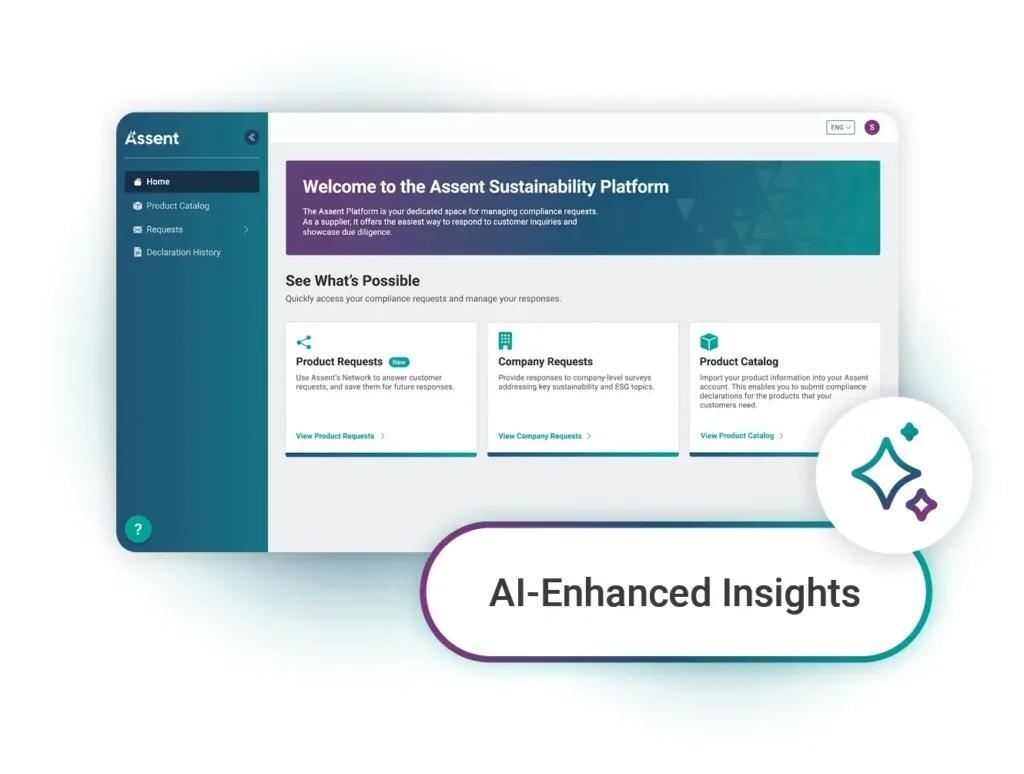
Automated sustainability surveys on key topics like forced labor and environmental responsibility.
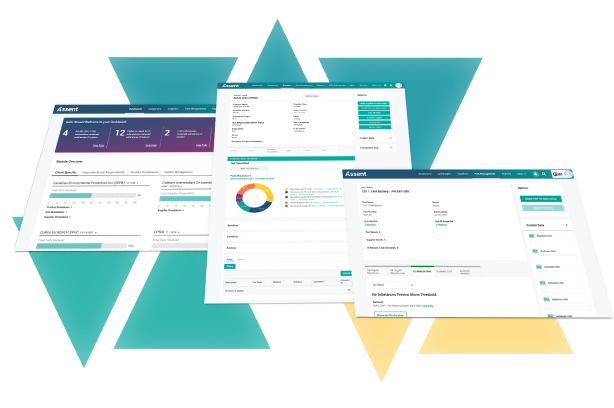
The Assent Sustainability Platform makes it simple and quick for supply chain networks to share declarations and sustainability information.
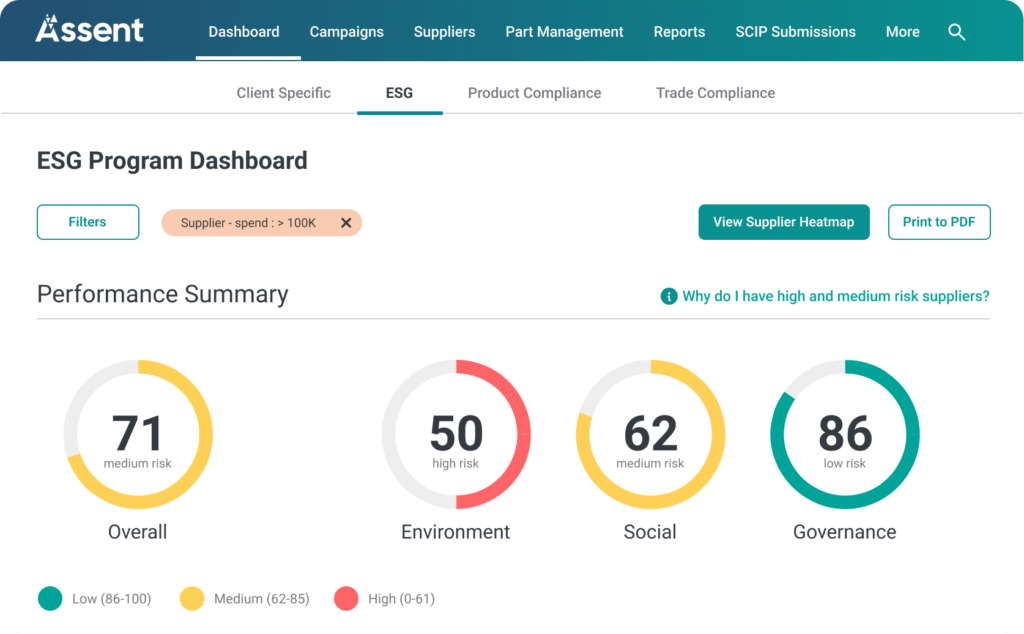
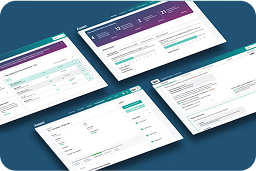
Our risk dashboard shows you which suppliers put your EUBR compliance at risk.
Why Assent
Over 1,000 manufacturers rely on Assent’s regulatory experts and AI-native software to streamline responsible mineral sourcing due diligence, supplier engagement, and supply chain sustainability reporting.
Companies providing parts data on the Assent Sustainability Network
Faster data sharing across your supply chain






Learn how GE Appliances rolled out a responsible minerals sourcing program on the Assent platform that saved $400,000 per year, engaged 350 suppliers, and cut manual tasks by 1,000 hours.
Read the Case Study
Preparing for EUBR compliance? Here are clear, straightforward answers based on the regulation.

Determine whether your batteries and battery-containing products fall under EU Batteries Regulation (EUBR) requirements and deadlines.

Prepare your business for the future with Your 2026 Compliance Calendar: stay ahead on sustainability and traceability mandates.
Join the webinar to learn about EUBR and its impact on due diligence and compliance in product sustainability.

Regulatory delays aren’t a break, they’re a head start. Learn how proactive compliance turns global reporting pauses into an advantage.
See how Assent’s EUBR software simplified compliance with our combination of AI-driven workflows, regulatory expertise, and the Assent Sustainability Platform. Book a demo today.



See how Assent’s EUBR software simplified compliance with our combination of AI-driven workflows, regulatory expertise, and the Assent Sustainability Platform. Book a demo today.


